

22.05.2027 19:30
Angelic Consolation
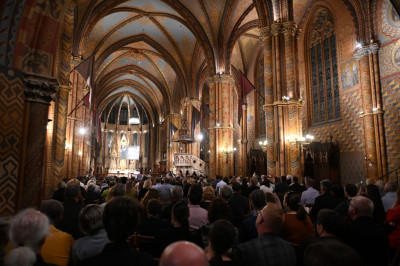
Budapest, Mátyás-templom
Filharmonia Organ Season Ticket - Budapest
Season tickets

Tickets can be purchased at the Filharmonia Hungary office in Budapest by appointment (Szobránc St. 6–8, 1143 Budapest), at the Liszt Academy (Liszt Ferenc Sq. 8, 1061 Budapest), at the venue before the concert, and online at www.jegymester.hu.
We offer a 10% discount for students and pensioners.
Filharmonia Hungary season ticket holders can purchase tickets with a 20% discount by showing their season tickets! The discount applies to one ticket per subscription, per concert.
The individual discounts cannot be combined.
We reserve the right to change the programmes, dates, venues, and performances, and ticket prices may change accordingly.


Fauré: Requiem
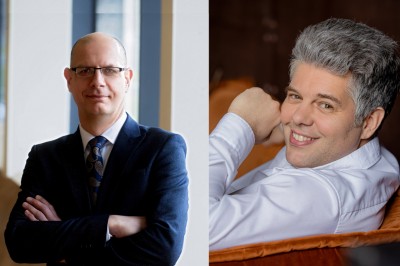
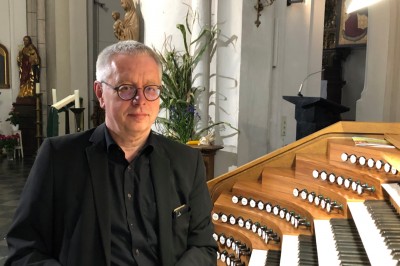
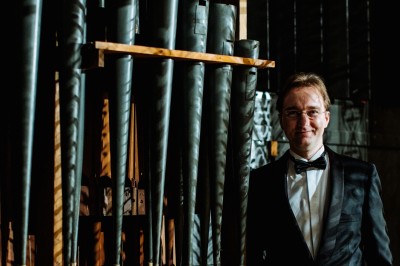
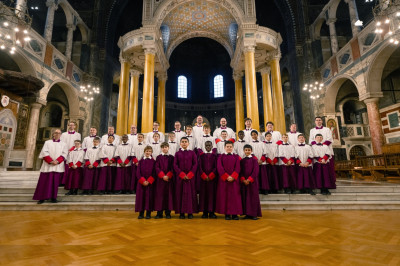
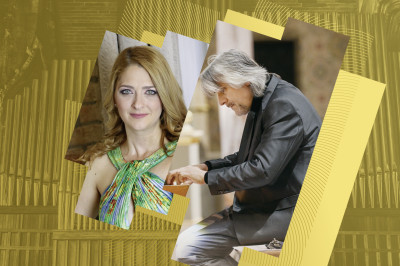
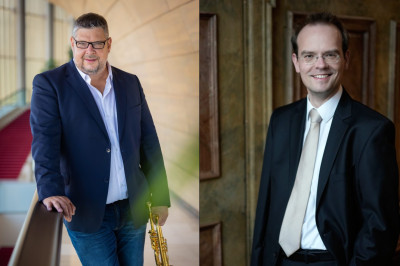
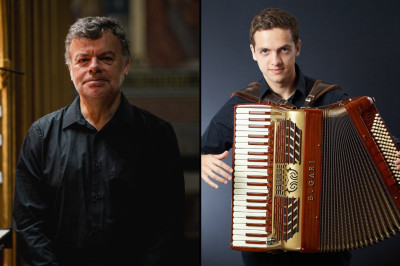
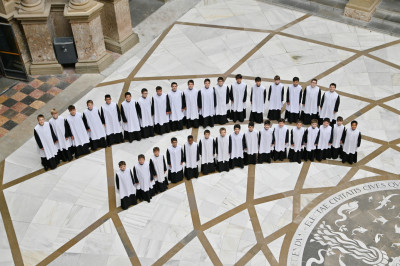
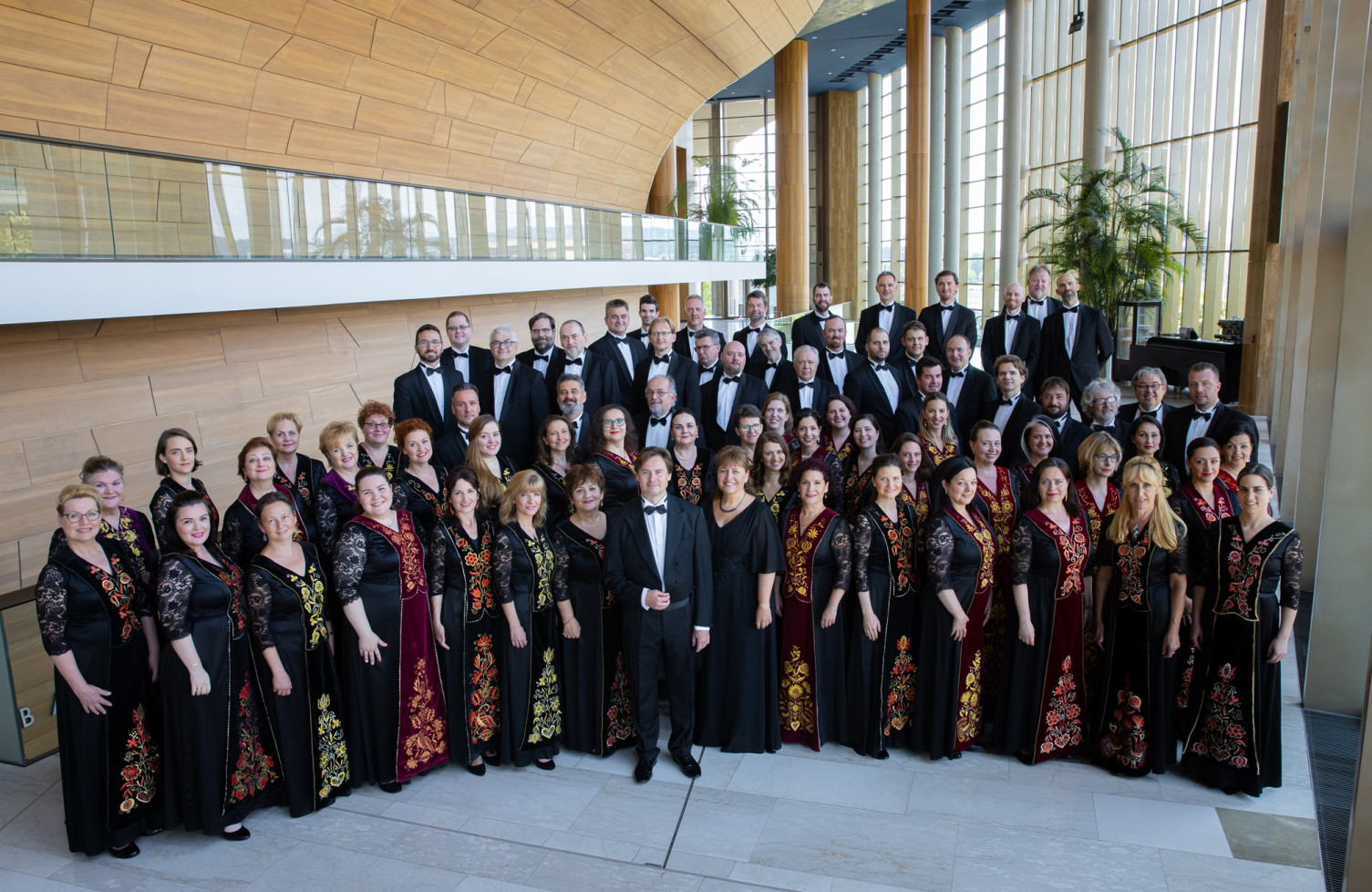
This concert explores how a single human voice - or many voices together - can express what no words alone ever could. Four works, two French composers, and one profound, almost transcendent question: what remains with us when everything else falls silent? The Hungarian National Choir, conducted by Csaba Somos and accompanied on the organ by Dávid László Ács, has prepared a truly uplifting program for this season.
There is a young man, barely twenty, who reveals in a single choral work what he will become: one of France’s greatest composers and one of its most intimate voices. The evening opens with Gabriel Fauré’s Cantique de Jean Racine - a work in itself a small miracle. Fauré composed it as a student at the École Niedermeyer, and it earned him first prize in the school’s final competition. The text is a French adaptation by the great dramatist Jean Racine himself of a fourth-century Latin hymn attributed to Saint Ambrose (Consors paterni luminis). These are words of light, breaking through the silence of darkness.
The second composer is no coincidence: the relationship between Camille Saint-Saëns and Gabriel Fauré was one of the deepest and longest-lasting master–student friendships in music history, spanning some sixty years. Saint-Saëns’s two a cappella choral works may be the evening’s most intimate moments. Composed in 1882, they are poetic gems of French Romanticism. Calme des nuits depicts the tranquility of the night and the evening stillness of nature through graceful melodic lines and gentle rhythms. Les fleurs et les arbres, by contrast, draws a parallel between nature’s beauty and the passage of time, with subtle vocal exchanges and rich harmonies.
“They told me that my Requiem does not express the fear of death. It has even been called a lullaby of death. But this is how I see death: as a happy deliverance, an aspiration towards eternal happiness, rather than as a painful experience.”
These were Fauré’s own words about his work, which he began composing in 1887 and which deliberately departed from the monumental, dramatic tradition of nineteenth-century Requiem settings. While the Requiems of Berlioz and Verdi possess an apocalyptic power, Fauré’s work approaches death not with fear but with peace and consolation. The composer freely selected passages from the Latin Requiem Mass and other liturgical texts, almost entirely omitting the apocalyptic vision of the Dies irae. In Fauré’s own words, the work is permeated by “a very human faith in eternal rest.” The loss of his parents also influenced the creation of the work, perhaps why it feels so deeply human: it does not distance us from pain but gently embraces it. This is precisely what this music can offer us - something we all need from time to time: someone to express, on our behalf, what we ourselves could never put into words.